

But Have You Thought About Planning for Dying?
January is a season of intention.
We make vision boards, set resolutions, and imagine what we want the year ahead to look like. We plan our careers, our finances, our health, our travels. We talk openly about growth, possibility, and the future.
But there’s one kind of planning we often avoid.
Planning for dying.
In our society, death is often treated as something uncomfortable, inappropriate, or even rude to talk about. It’s whispered about. Avoided. Pushed aside for “later.” Yet death is as natural and inevitable as birth and just as important to plan for.
We create birth plans.
We talk about labour, preferences, hopes, fears, and support.
We prepare. We ask questions. We make space for conversation.
What if we approached death with the same openness, care, and courage?

Planning ahead isn’t about being pessimistic or giving up. It’s about clarity, peace of mind, and making sure your voice is heard, even if you can’t speak for yourself.
Why Talking About Death Matters
Avoiding conversations about death doesn’t make it less real, it only leaves our loved ones guessing when decisions matter most. Planning ahead isn’t about being pessimistic or giving up. It’s about clarity, peace of mind, and making sure your voice is heard, even if you can’t speak for yourself.
No matter how young or old you are, planning ahead is an act of care.
Advance Care Planning: Speaking Up Before You Have To
Advance Care Planning (ACP) is the process of thinking about, talking through, and writing down what matters most to you when it comes to your healthcare.
It helps ensure your wishes, values, and goals are known and respected if there ever comes a time when you’re unable to communicate them yourself.
Advance Care Planning can include:
Reflecting on what quality of life means to you
Having conversations with loved ones and healthcare providers
Choosing a Substitute Decision-Maker to speak on your behalf
Documenting the types of care or treatments you would—or wouldn’t—want
Why does this matter?
It ensures your voice is heard
It reduces stress and uncertainty for your family during difficult moments
It gives healthcare teams clear guidance rooted in what matters most to you
The best time to start Advance Care Planning is before you need it, when you’re feeling well and able to make thoughtful decisions. And it’s not a one-time task. Your wishes can (and should) evolve as life changes.
Advance Care Planning is about speaking up.
Helpful resources to get started:
· Advance Care Planning Ontario: www.advancecareplanningontario.ca
· Patient Decision-Making resources: www.pcdm.ca
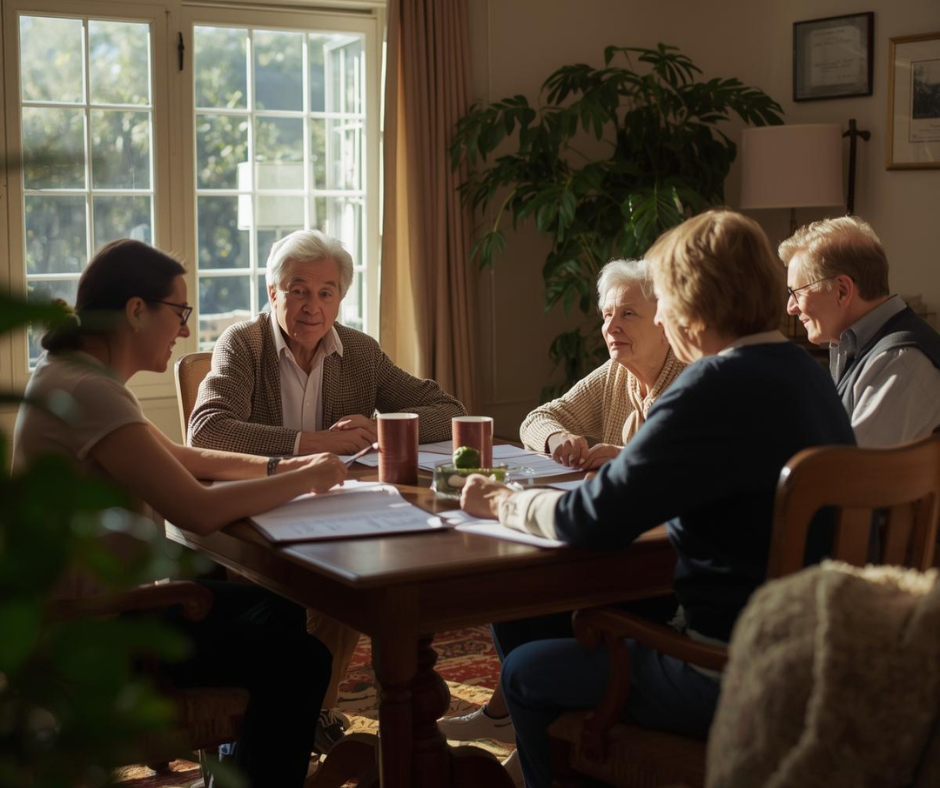
The best time to start Advance Care Planning is before you need it!
Legacy Giving: Planning What Lives On
Alongside planning for care, many people also reflect on the impact they want to leave behind.
Legacy giving—also called planned giving—is simply a charitable gift you choose to leave in your will. It can be a set dollar amount or a percentage of your estate, and it’s one of the most meaningful ways to support causes you care about beyond your lifetime.
A legacy gift:
Does not mean taking away from loved ones
Can offer tax benefits to your estate
Ensures your values continue to shape the future
You don’t have to be wealthy to leave a legacy. Even a small gift can create lasting impact, supporting compassion, care, and community for generations to come.
Legacy planning begins with reflection:
What matters most to you?
What values do you want to carry forward?
What difference do you hope to make?
From there, it’s about conversation, documentation, and revisiting your plans as life changes.
What if you died tomorrow?
What legacy would you leave behind?
What impact could come from everything you can’t take with you?
Because planning ahead isn’t about the end—it’s about what continues.
Learn more about leaving a legacy gift to Hospice:
🔹 www.sjhospicelondon.com/leavealegacy

Even a small gift can create lasting impact, supporting compassion, care, and community for generations to come.
A New Kind of Resolution
As you set goals for the year ahead, consider adding one more meaningful intention:
Plan for care
Talk openly about death
Clarify your wishes
Reflect on the legacy you want to leave
Death deserves the same honesty, preparation, and compassion as birth. When we talk about it, plan for it, and normalize it, we give a powerful gift…to ourselves and to the people we love.
And if you’re not sure where to start, you’re not alone. We’re here to help support those conversations, every step of the way.